Grindstone Ventures, a female-led venture capital firm based in South Africa, has launched a US$31 million fund aimed at technology startups transitioning from initial commercial validation to institutional scale. The ZAR500 million vehicle targets companies navigating the investment stage between seed funding and Series A rounds. The firm operates with backing from Knife Capital, an entity focused on venture investment and corporate exits, and Thinkroom, an organization specializing in entrepreneur development.
The new vehicle follows the deployment of Grindstone Ventures Fund I, which distributed capital across seven portfolio companies including Locstat, Welo and AgriLogiQ. Management is finalizing an exit from that initial portfolio to return capital to its limited partners. For the new fund, the investment team plans to allocate capital to between 15 and 20 businesses located in South Africa and select markets across the broader continent. The initial closing target is set at ZAR150 million, or US$9.3 million.
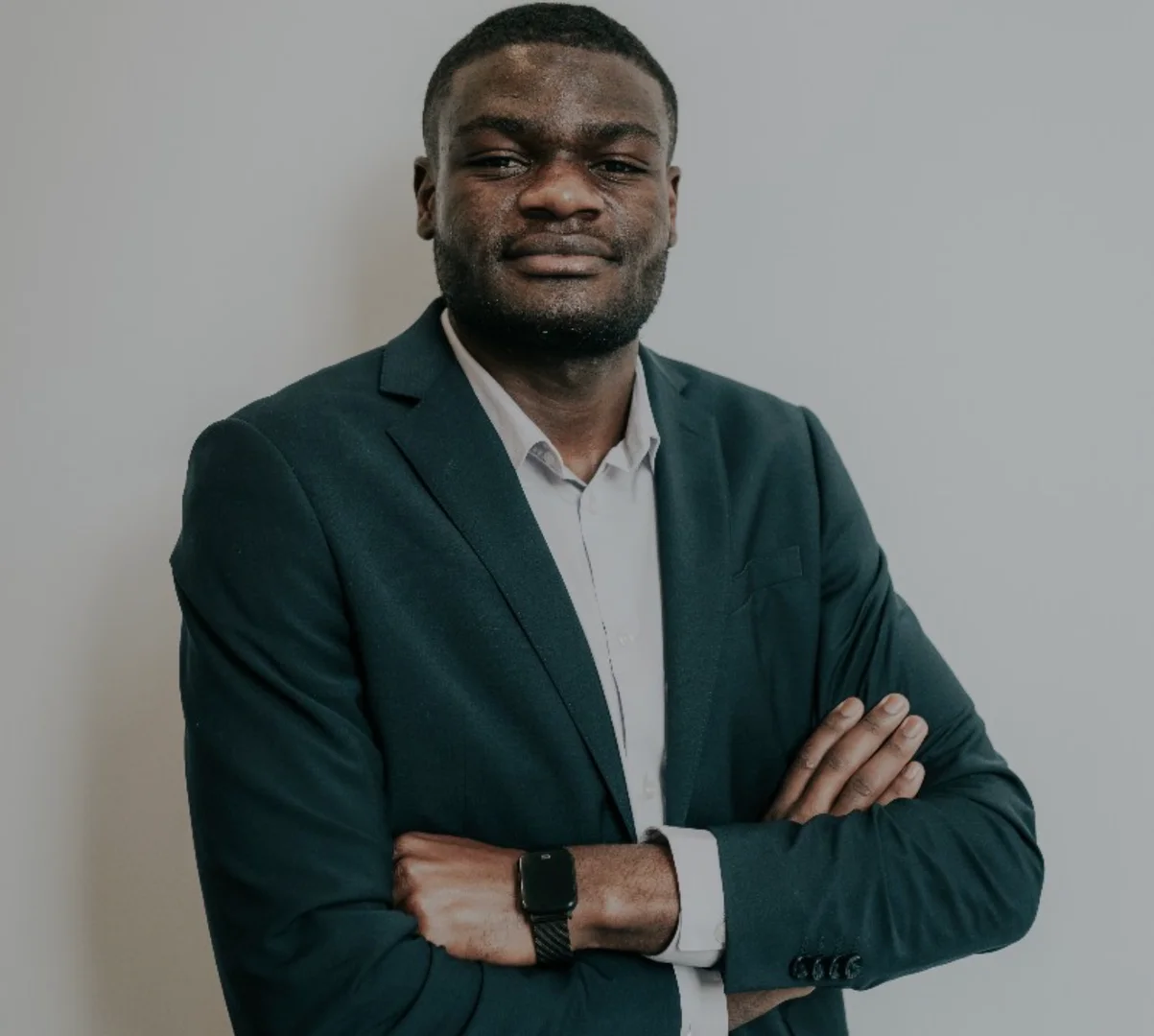
The capital structure addresses a specific funding constraint in the regional market. Led by Thandiwe Maqetuka, the fund acquires ownership positions while providing founders with support for governance, commercial growth and market access. Keet van Zyl, co-founder of Knife Capital, emphasized the regional financing constraints.
“The evolution from seed to Series A remains one of the clearest gaps in the African venture ecosystem,” said van Zyl. “The lessons from Grindstone Ventures Fund I have shown us exactly where that gap bites, and this fund gives us the opportunity to close it.”
The firm pairs its financial return objectives with demographic targets for corporate ownership. The investment strategy seeks to build a portfolio where at least 50 per cent of the companies are black-owned while maintaining gender balance among founders and executive leadership.
“That is Africa’s missing middle. Our opportunity is not simply to provide more capital, but to identify exceptional businesses earlier, invest at a point where capital remains scarce, take meaningful ownership positions and work actively with founders to build companies capable of scaling, attracting institutional capital and ultimately delivering realisable returns,” Maqetuka said.
The management team views the demographic goals as compatible with conventional venture capital outcomes. Maqetuka outlined the dual mandate of the fund regarding diversity and financial performance.
“We don’t believe investors should have to choose between financial performance and building a more inclusive investment ecosystem,” says Maqetuka. “Our responsibility is first and foremost to be disciplined stewards of investor capital. But if we can generate attractive commercial returns while directing more institutional capital towards exceptional black and female entrepreneurs who have historically had less access to that capital, we can begin changing both sides of the market.”