Visa, the global payments technology company, is preparing South African banks for the arrival of autonomous AI payments, even as consumer confidence in the technology remains limited.
According to Visa's Stay Secure 2026 study, only 23% of South African consumers would trust an AI agent to complete a purchase on their behalf. The research, conducted by Wakefield Research between January and February 2026, surveyed 5,800 adults across 17 markets in Central Europe, the Middle East and Africa, including South Africa.
Despite that level of trust, Visa has already enrolled local financial institutions in its Agentic Ready programme, which prepares banks to support AI agents that can complete transactions without direct human involvement. The company said no autonomous AI transactions have yet been launched in South Africa.
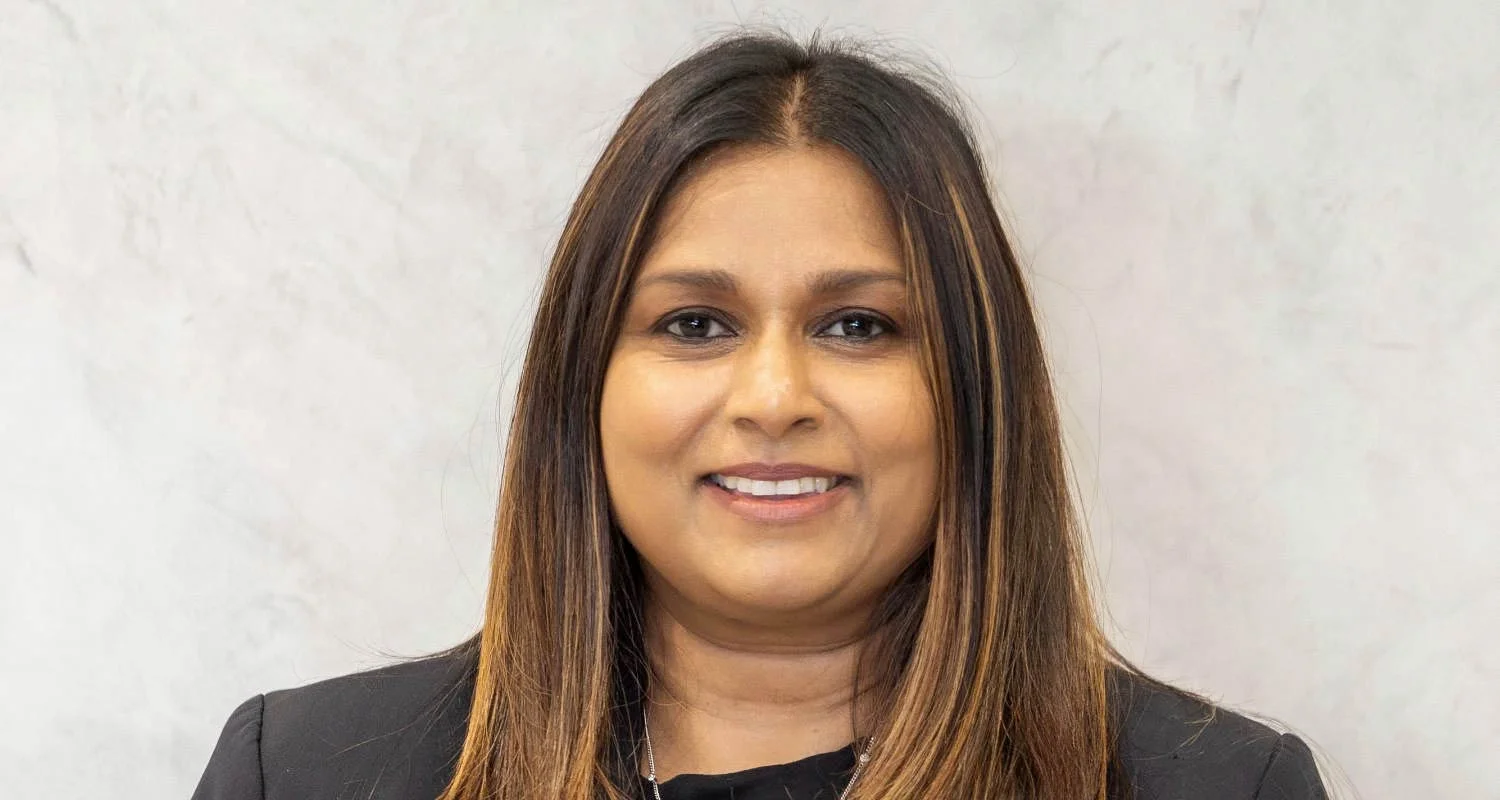
"Agentic commerce effectively means that you will tell your agent that you want to do something, and it goes ahead, it does the comparisons for you, it does the research for you, and depending on the boundaries you have set, it goes ahead and completes the transaction on your behalf," said Lineshree Moodley, Country Head for Visa South Africa.
Visa's approach combines three components: Visa Intelligent Commerce, a set of APIs for authenticating and personalizing AI initiated transactions; the Agentic Ready programme for banks and merchants; and the Visa Trusted Agent Protocol, which verifies that an AI agent is acting under a customer's authorization.
Questions around liability remain central to the rollout of autonomous payments. Irene Auma, Visa's Head of Risk for Southern Africa and East Africa, said existing Visa rules would continue to govern disputed transactions, regardless of whether a payment was initiated by a person or an AI agent.
"The payment is still being executed under the instruction of the consumer, through the same financial institution, to a merchant," Auma said. She added that fraud cases would continue to be assessed individually through post fraud investigations under Visa's existing framework.
The company also highlighted the growing use of AI by cybercriminals. Visa said 42.5% of fraud attempts now involve AI and that AI powered scams increased by more than 1,210% during 2025, based on its internal monitoring. The company did not disclose the methodology or geographic scope behind those figures.
Auma said threat actors have shifted from manual operations to automated attacks. "The threat actors are already using AI agents to execute scams. They do not rely on humans to try and call you for your data, send you a fake e-mail. They today have scale already," she said.
Visa reported that its AI based fraud detection systems achieve between 92% and 98% accuracy, compared with roughly 25% for rule based systems. The company also said it has invested US$13 billion in fraud prevention technology.
The research also points to changing fraud patterns among consumers. According to the study, 53% of South African consumers who shop through social media have encountered scams on those platforms. Auma added that children are becoming more frequent targets, with attackers using gaming platforms and social media to persuade minors to facilitate financial transactions.